Fresh Water, Lasting Change: Communities in Action
Fresh Water, Lasting Change: Communities in Action
By Victoria Saab, BSRC, Co-Chair Environmental Subcommittee
 Worldwide 2.1 billion people, about 1 in 4, lack access to safely managed drinking water at home, according to the World Health Organization (WHO) and UNICEF (United Nations Children's Fund). Meeting the need of safe drinking water begins with empowering communities to sustain clean water, sanitation, and hygiene education—the foundations of a healthy environment and productive lives.
Rotary International’s Water, Sanitation, and Hygiene (WASH) area of focus builds sustainable, community-managed systems to provide clean water and hygiene education worldwide. Rotary equips local communities with the skills, governance, and financing needed to maintain these services for generations.
Rotary International’s WASH projects have invested over $148 million across more than 2,000 projects worldwide since 2013. Through these investments, our volunteers of action have improved access to safely managed and basic WASH services to communities, schools and healthcare facilities, while protecting and conserving water resources.
In 2023, Rotary International and the United Nations Environment Programme formed a strategic partnership to protect, restore, and sustain freshwater ecosystems. This initiative is known as Community Action for Fresh Water (CAFW). Leveraging Rotary’s grassroots networks and the United Nations Environment Programme’s technical expertise, Rotary Clubs work closely with community members and local partners to become freshwater stewards and create lasting change and positive environmental impacts in their communities.
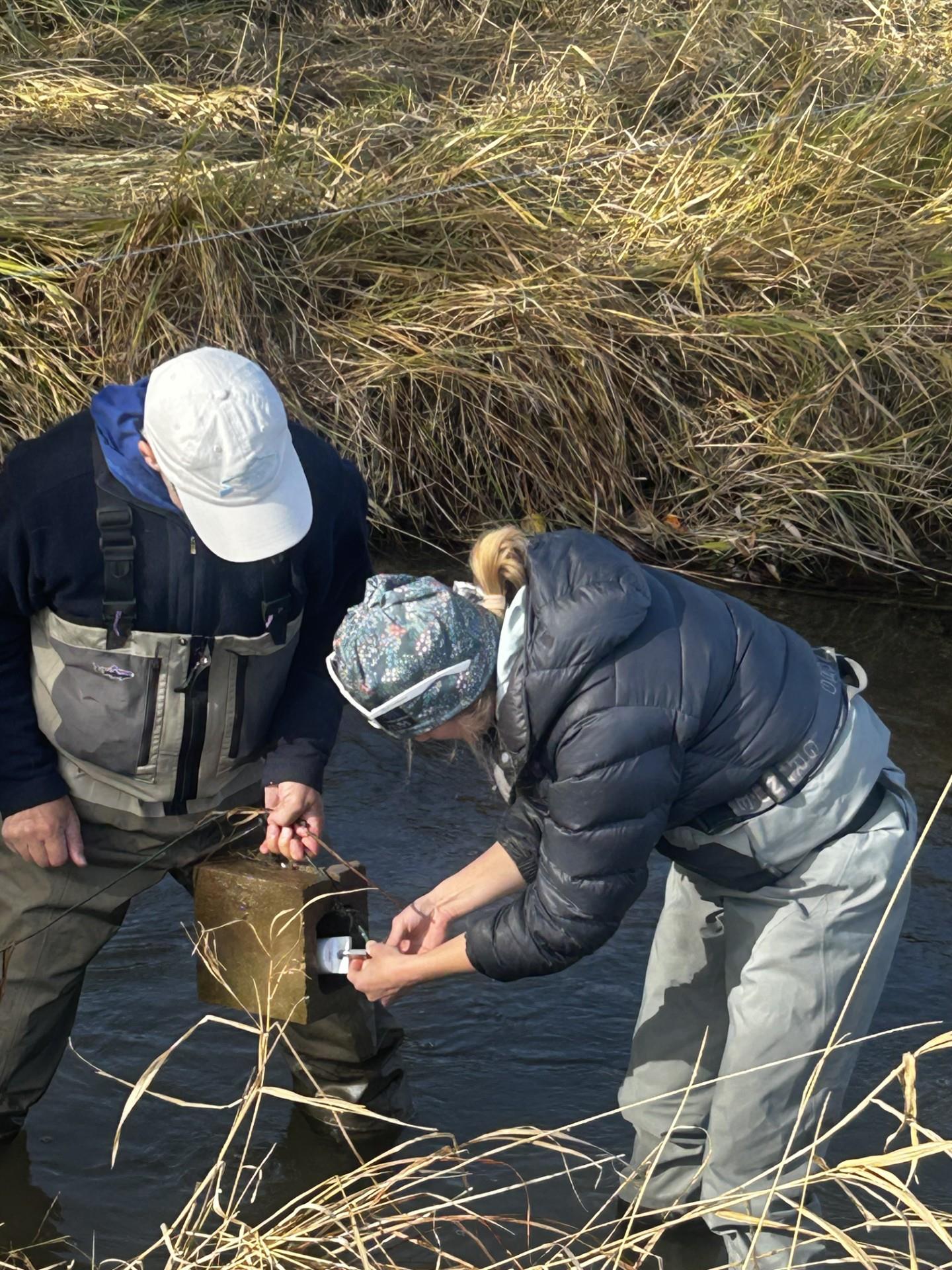
Bozeman Sunrise Rotary Club became a registered member of the Community Action for Fresh Water (CAFW) initiative in spring 2026. Members of our Environmental Subcommittee received training and are participating in collecting water samples to test water quality in the Lower Gallatin Watershed, as part of Gallatin Stream Teams. The volunteer stream monitoring program is operated in partnership between the Gallatin Local Water Quality District (GLWQD) and the Gallatin Watershed Council. Streams must meet state water quality standards set by the Montana Department of Environmental Quality. Streams are considered “impaired” if they contain excess sediment (increases the costs for maintaining drinking water), excess nutrients (nitrogen and phosphorus), and/or E. coli (causes illness in people and animals) at levels that impair the use of that water for beneficial purposes such as irrigation, recreation, and drinking. Impaired streams are mitigated to meet state water quality standards.
Rotary International encourages communities to protect, restore, and sustain freshwater ecosystems. To advance this mission, the Bozeman Sunrise Rotary Club Environmental Subcommittee proposes collaborating with Gallatin Local Water Quality District (GLWQD) to monitor water quality at Glen Lake Rotary Park. GLWQD would provide training in water-sample collection. Currently, little water-quality information is available for Glen Lake Rotary Park. There is community interest in testing for coliform bacteria and other potential contaminants that could pose a risk to human health, including support from the nearby homeowners association, Bozeman Sunrise Rotary members, and park users. Moving forward, the proposed program would require approval and support from the City of Bozeman.
Rotary International projects enhance water quality, curb pollution, address water scarcity, remove invasive species, and conserve and restore ecosystems. We strengthen our community’s connection to freshwater ecosystems by highlighting threats and advocating for policies that protect them. Essential to thriving societies, these systems face threats from climate change, biodiversity loss, and pollution. Through freshwater protection and restoration, Rotary members worldwide work to create lasting change.
December 2026